BLIXT
A violet-blue electrical arc discharging between two polished copper electrodes in a darkened laboratory

Energy, engineered from first principles

Blixt is an energy research and development company in Austin, Texas. We work where electromagnetics, materials, and power infrastructure meet — and where the theory has not caught up to the demand.

Est. 2021 Austin, Texas Research & Development
01 — The Problem
01

Demand is compounding faster than the grid can be rebuilt.

Electrification, industrial reshoring, and dense computing loads are arriving on infrastructure specified for a different century. Interconnection queues are measured in years; the equipment behind them is measured in decades.

02

The limits of electrical machines are set by materials, not mathematics.

Winding geometry, insulation systems, core loss, and thermal margin decide what a machine can actually do. The equations have been settled for a century; the conductors, coatings, and formers have not.

03

What cannot be measured cannot be improved.

Most electromagnetic designs fail in the gap between simulation and instrumentation. We treat measurement as a first-class deliverable — probes, fixtures, and test protocols built alongside the hardware they qualify.

04

The next step change is quantum, not mechanical.

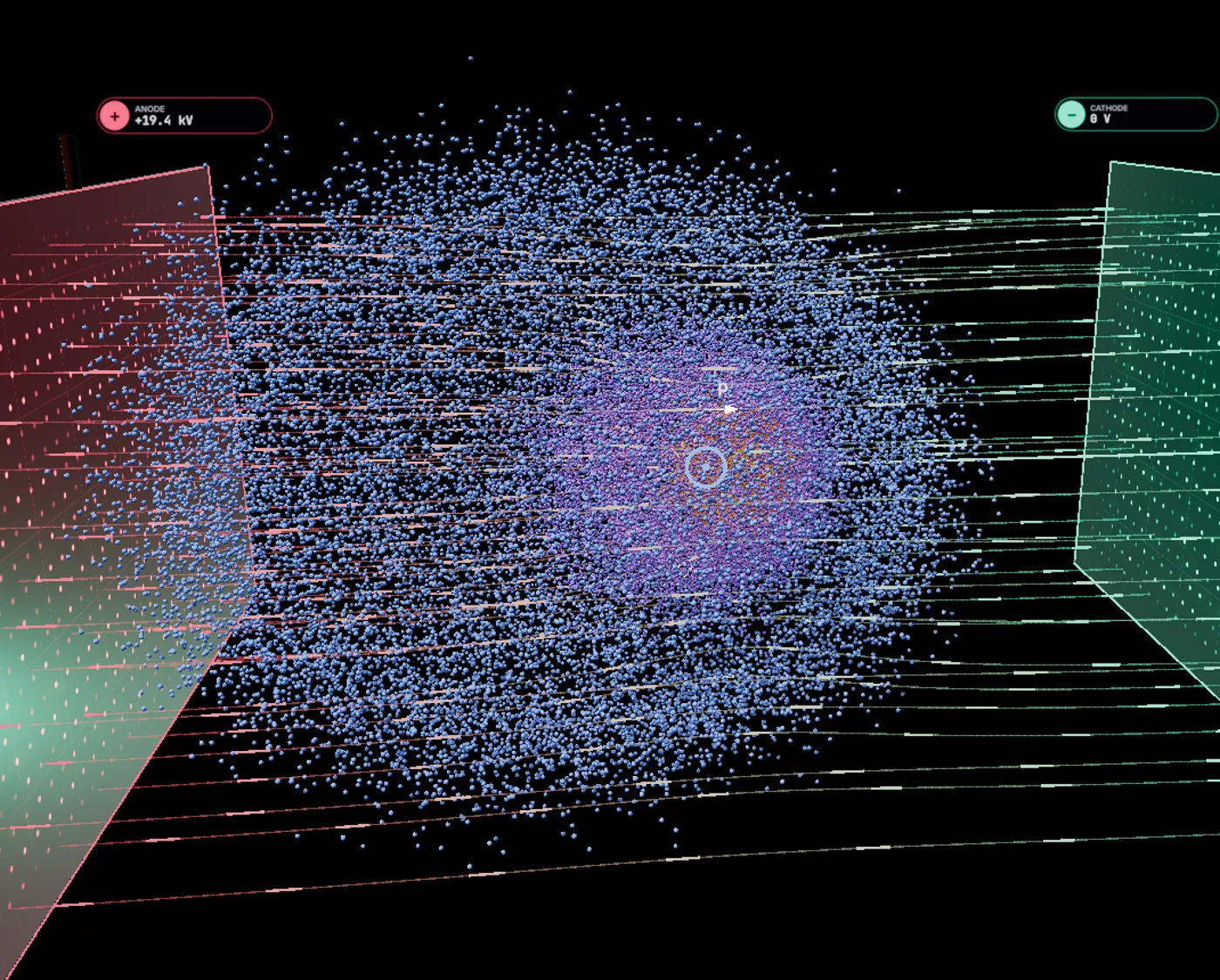
Quantum electrodynamics describes how fields and charge actually couple. Applying it directly — deliberately shaping electron-cloud behaviour in a conductor or dielectric — is where we believe the remaining orders of magnitude live.

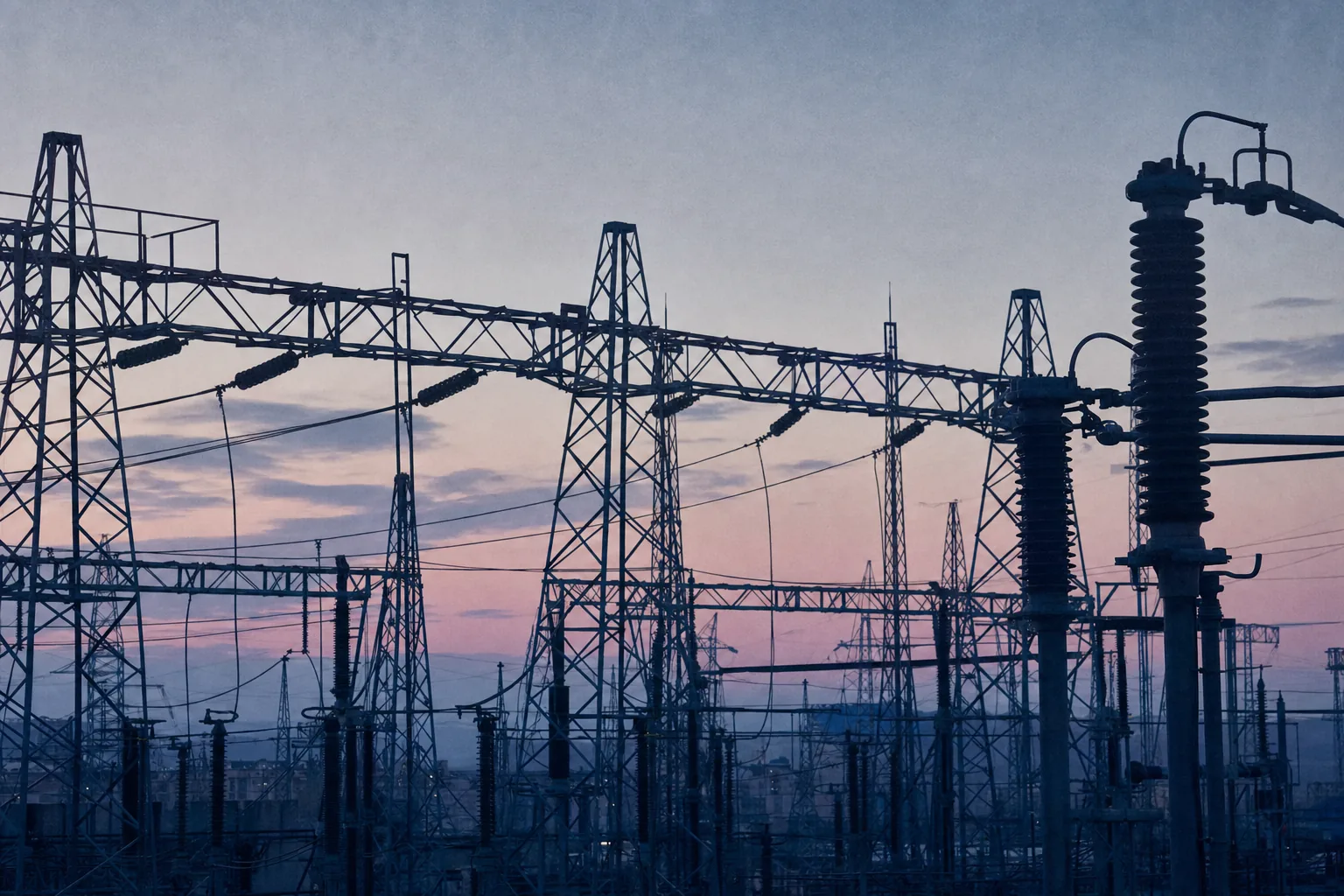
Transmission structures, insulator stacks, and busbars silhouetted against a pale dusk sky at a high-voltage substation
Fig. 01 Transmission-class switchyard Capacity, not physics, is the constraint

Blixt exists to close the distance between what the physics allows and what the hardware delivers.

We are small on purpose. Every engagement runs as a research program with a build attached: define the physics, instrument the problem, fabricate a prototype, measure it honestly, and report what the data says rather than what the proposal promised.

How we work →

02 — Standing Waves
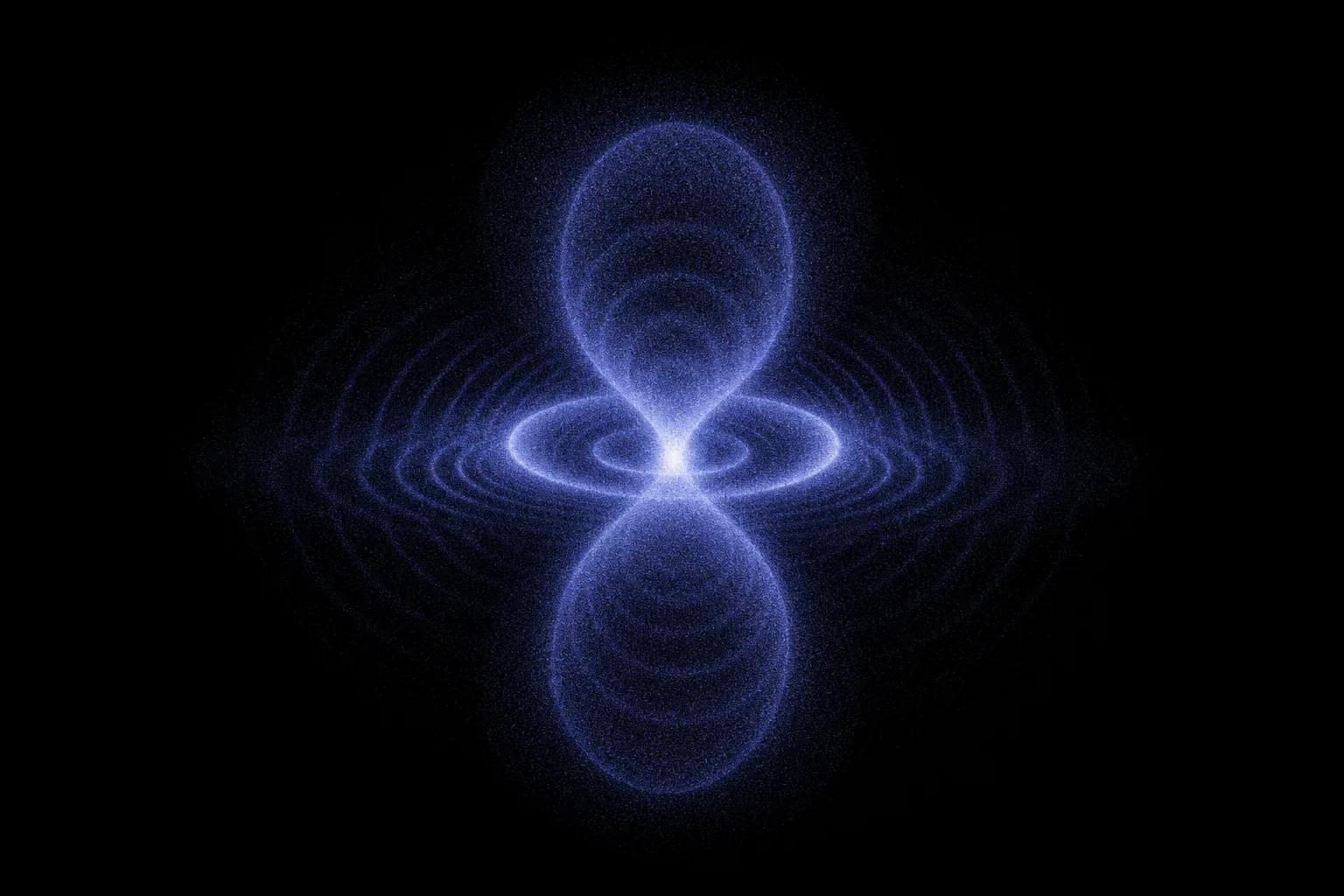
Live · circular plate n = 0 · k = 5.520 J n(kr) cos nθ

A bound electron is a standing wave.

Scatter sand across a driven steel plate and it walks away from the antinodes and piles up along the nodal lines, drawing the plate's eigenmodes in the open. This plate is not a photograph of that experiment — it is the same mathematics, solved as you watch: a superposition of circular-plate modes with amplitudes drifting through one another.

The angular and radial terms are the ones that describe an orbital. Change the boundary and you change what the wave is allowed to be. That is the whole of our discipline, written small enough to hold in one hand.

03 — Practice
01

Electromagnetic Systems

Field modelling, resonance and impedance behaviour, antenna and transducer design, and the analysis of machines that refuse to behave like their simulations.

02

Coils & Magnet Wire

Winding geometry, conductor and insulation selection, former and bobbin design, thermal and dielectric qualification, and fabrication of prototype coil assemblies.

03

Power Infrastructure

Load and capacity studies, interconnection and siting analysis, equipment specification and evaluation, and commercial technical review for energy assets.

04

QED & Electron-Cloud Behaviour

Our long-horizon research thread: applying a quantum-electrodynamic treatment of field–charge coupling to shape electron-cloud behaviour in conductors and dielectrics.
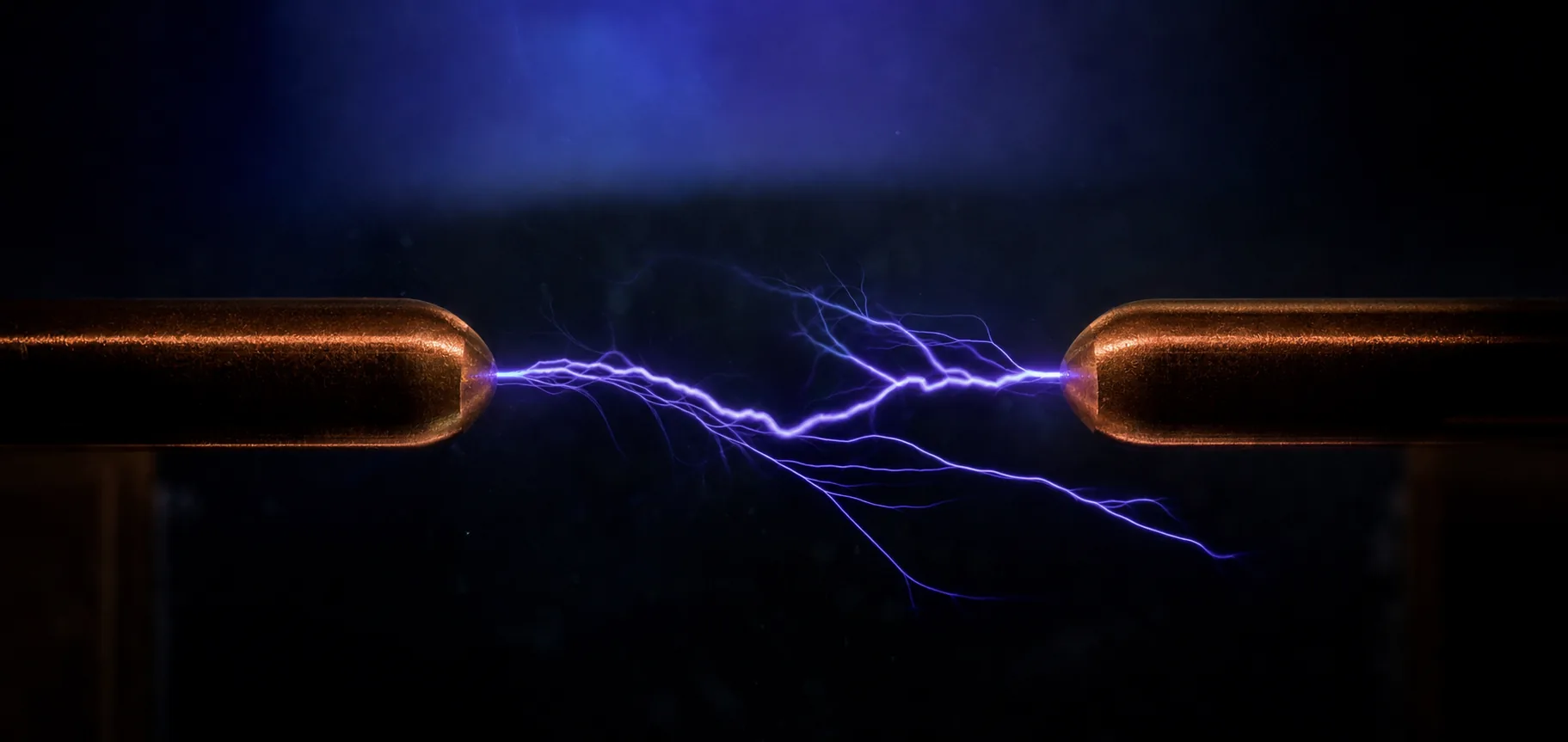
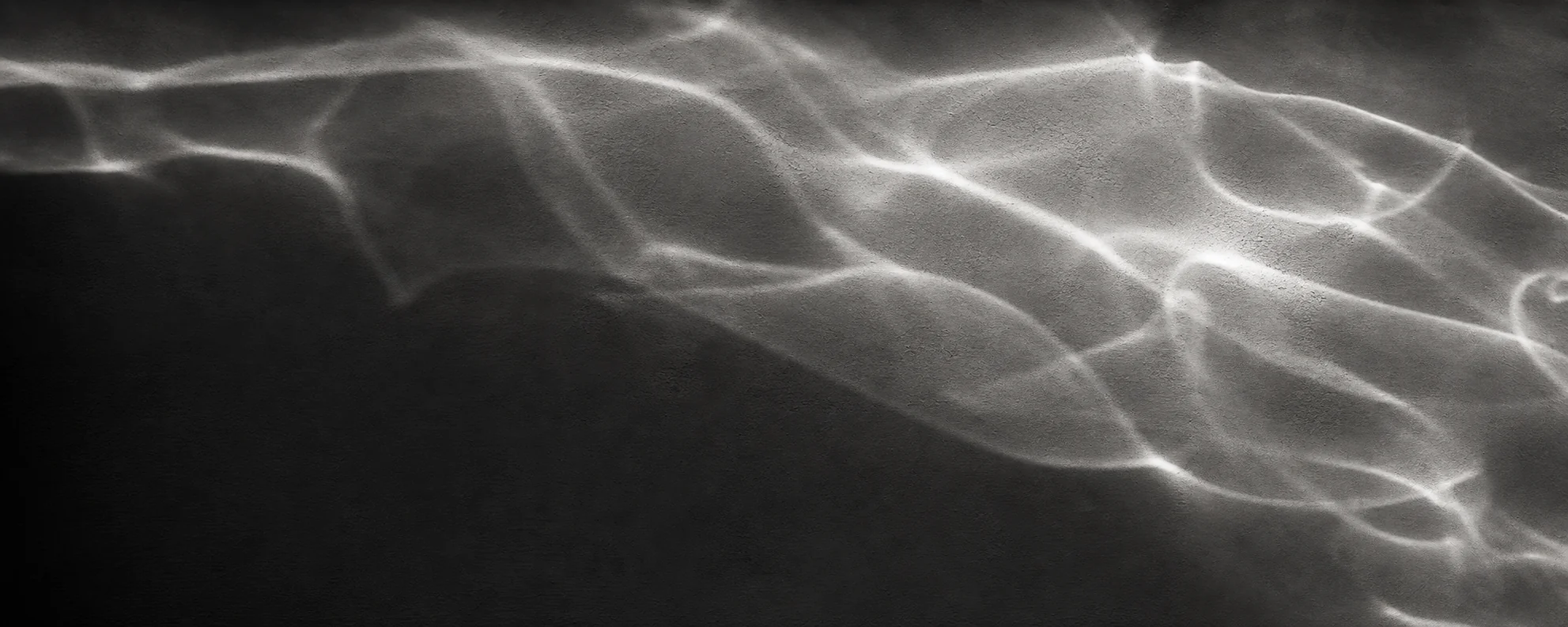
Fig. 02 Caustic field Refraction through hand-blown glass

Where wavefronts fold, energy concentrates.

A caustic is what light does when a surface bends it back onto itself — thousands of rays arriving at the same place at the same instant. A drinking glass throws one on a wall for free. We spend our time engineering the same behaviour into copper and steel, where concentration is the point and nothing is free.

2021
Founded — Austin, Texas
04
Active practice areas
1 – 3
Concurrent programs
100%
Measured, not modelled

If the answer is already known, you do not need us.

Blixt takes on a small number of programs at a time. If you have a question that sits between engineering and physics, describe it — we will tell you plainly whether it is something we can move.

Start an enquiry →